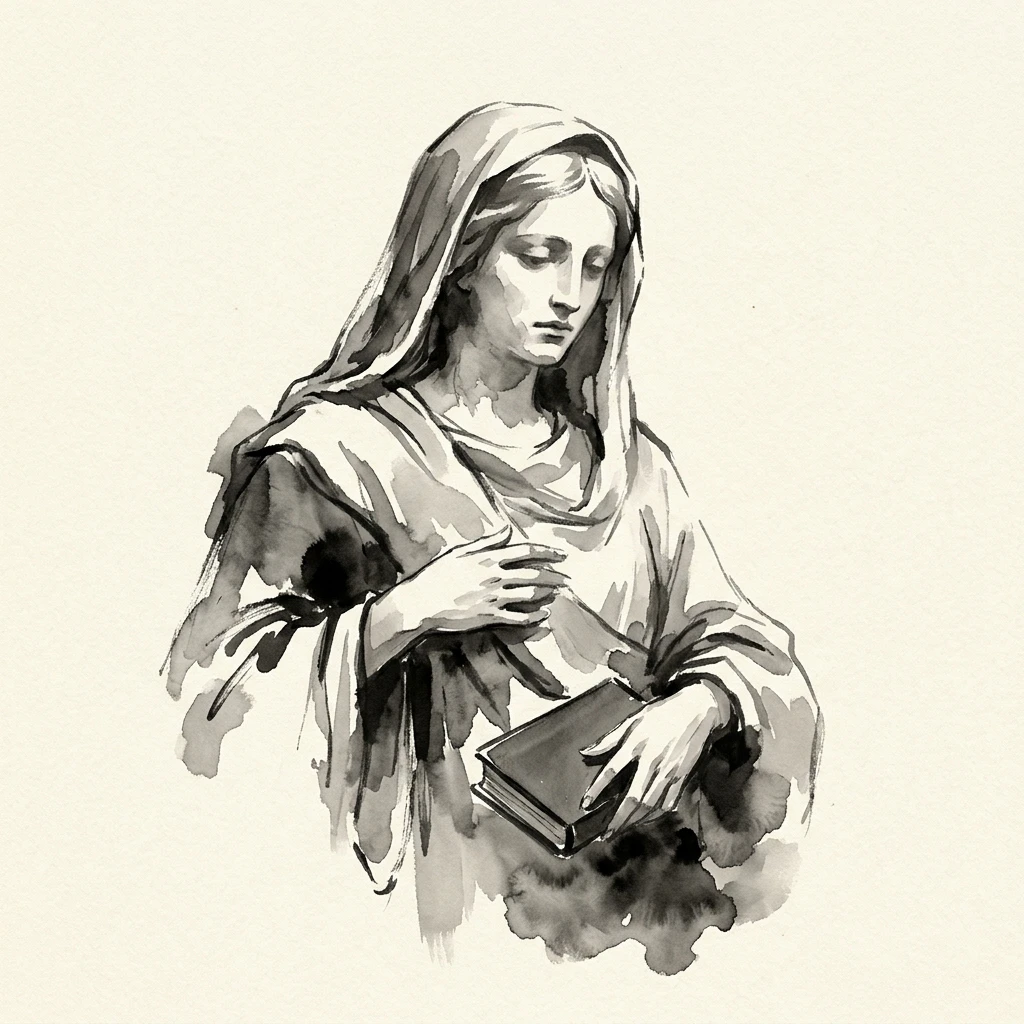
Raziel is an angel associated with divine secrets and the work known as Sefer Raziel ha-Malakh, the Book of Raziel the Angel. His best-known traditions concern the transmission of hidden knowledge, rather than a role in a biblical narrative like the appearances of Gabriel.
The angel of secrets
The historical Jewish Encyclopedia entry “Raziel” explains the name as “secret of God” and discusses traditions in which the angel communicates mysteries. It cites the Book of Raziel and other sources for these associations.
The connection between the name and a book matters. Statements about “Raziel’s teachings” may actually summarize a particular compilation, a legend about its origin, or a later author’s interpretation. These are related kinds of evidence, but they are not the same thing.
The Book of Raziel
The companion entry on the Book of Raziel describes differing accounts within the work: knowledge is said to have been given to Adam in one part and to Noah in another. It records the book’s first printing in Amsterdam in 1701 and discusses disputed views about its composition.
A traditional claim that a book was delivered to Adam is part of the book’s story about its authority. It is not the date of the surviving manuscript or printed edition. Separating the legend from the bibliographic history gives a clearer account of what can actually be established.
Raziel in Agrippa
In Book III, chapter 10 of Three Books of Occult Philosophy, Heinrich Cornelius Agrippa uses the spelling Raziell. His system associates this intelligence with wisdom and Adam. This is evidence for Raziel’s place in Agrippa’s Renaissance Christian Cabala, rather than a rule binding all Jewish angelology.
Reading accounts of Raziel
For a specific claim about a secret, an amulet, or a planetary assignment, ask which work makes it and where. References to the Book of Raziel should distinguish an actual passage from a later summary. Legendary powers attributed to a text also remain beliefs about the text, rather than established effects.
Galizur, Gallisur and Odeberg’s commentary
Davidson’s dictionary (p. 120) connects Galizur, Gallitzur and Gallizur with Raziel. A related comparison requires separating the narrative from the notes in Hugo Odeberg’s edition of 3 Enoch. In the main text of XVIII.16–17 (Part II, pp. 58–59), Gallisur reveals secrets of the Torah; Ashruylu prostrates before him, and he in turn prostrates before Zakzakiel.
The connection with Raziel and an account of wings shielding ministering angels from the breath of the Chayyoth occur in Odeberg’s commentary on XVIII.16, which reports other traditions. They are not statements made by that main narrative. This is a source-specific comparison of names and accounts, rather than a claim that the names are interchangeable in every text. See Davidson’s Galizur entry alongside Odeberg’s main text and notes.
Explore related entries
Continue with Metatron, Haniel, the A–Z angel name index, or our guide to sources and traditions.