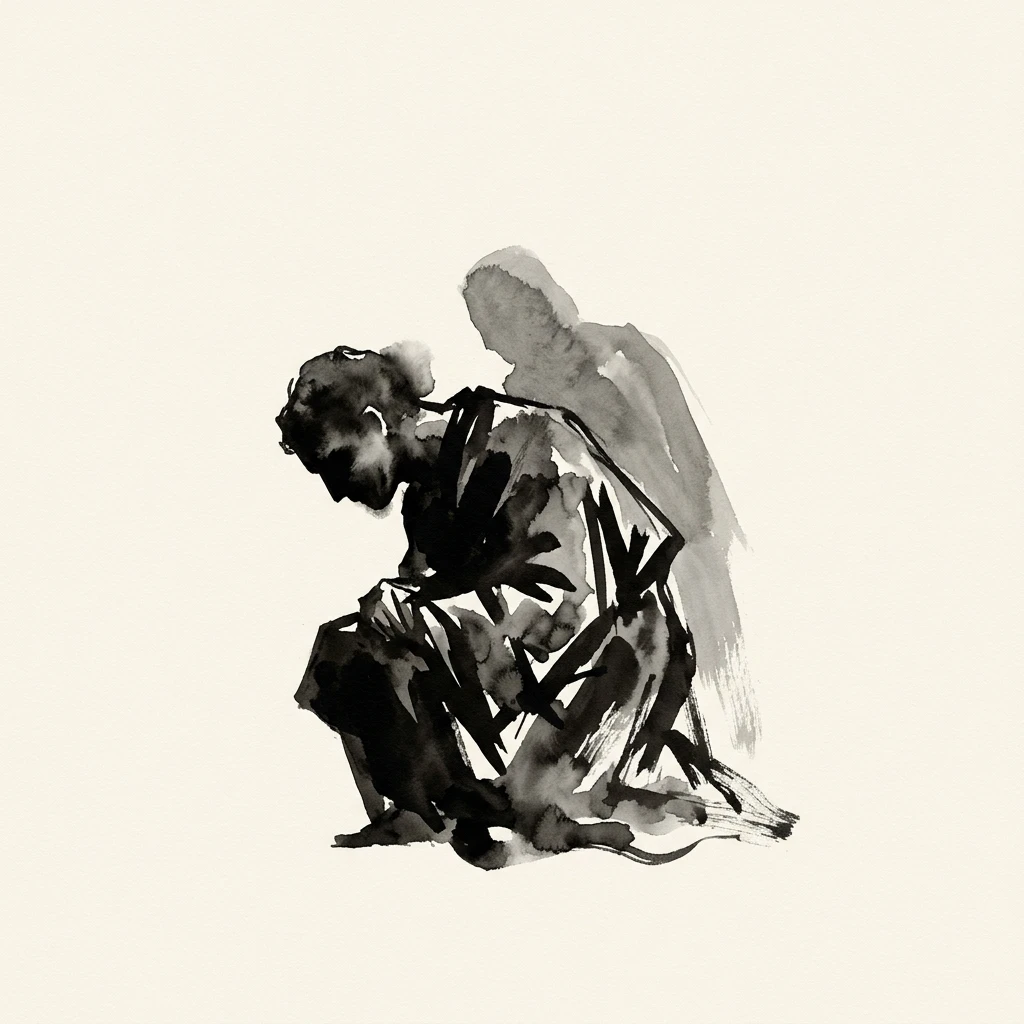
Af is anger personified in a rabbinic story about Moses. In the Babylonian Talmud, Nedarim 32a, Af appears with Hemah in the episode of the lodging place and delayed circumcision. This is an account of destructive anger, rather than an assignment as an angel of light.
Af and Hemah at the lodging place
The discussion interprets Exodus 4:24–26, in which Zipporah circumcises her son during a dangerous encounter. Rabbi Judah ben Bizna tells of Af and Hemah coming when Moses was lax about circumcision. In the Soncino English translation they swallow him, leaving his legs. Zipporah performs the circumcision, and the danger ends.
The two names are glossed in the translation’s notes as wrath and anger personified. Both appear in the narrative; it should not be retold as though Af acted alone. The attribution to Rabbi Judah ben Bizna also distinguishes this statement from the surrounding teachings about the greatness of circumcision.
The discussion of Moses and Hemah
The passage continues with Moses wishing to slay the destructive figures. One opinion says he killed Hemah, but a later verse mentioning fear of Af and Hemah creates a difficulty. The discussion offers alternatives, including two figures named Hemah or the killing of Hemah’s troop rather than Hemah himself.
This argumentative setting matters. The Talmud records differing interpretations, rather than a final biography in which every detail has been reconciled. Af is best understood here within a rabbinic interpretation of biblical language, where words for anger and wrath become acting figures in the story of Moses.
Explore related entries
Read Kemuel, Dumah, Samael, the angel names A–Z index, or the guide to source traditions.