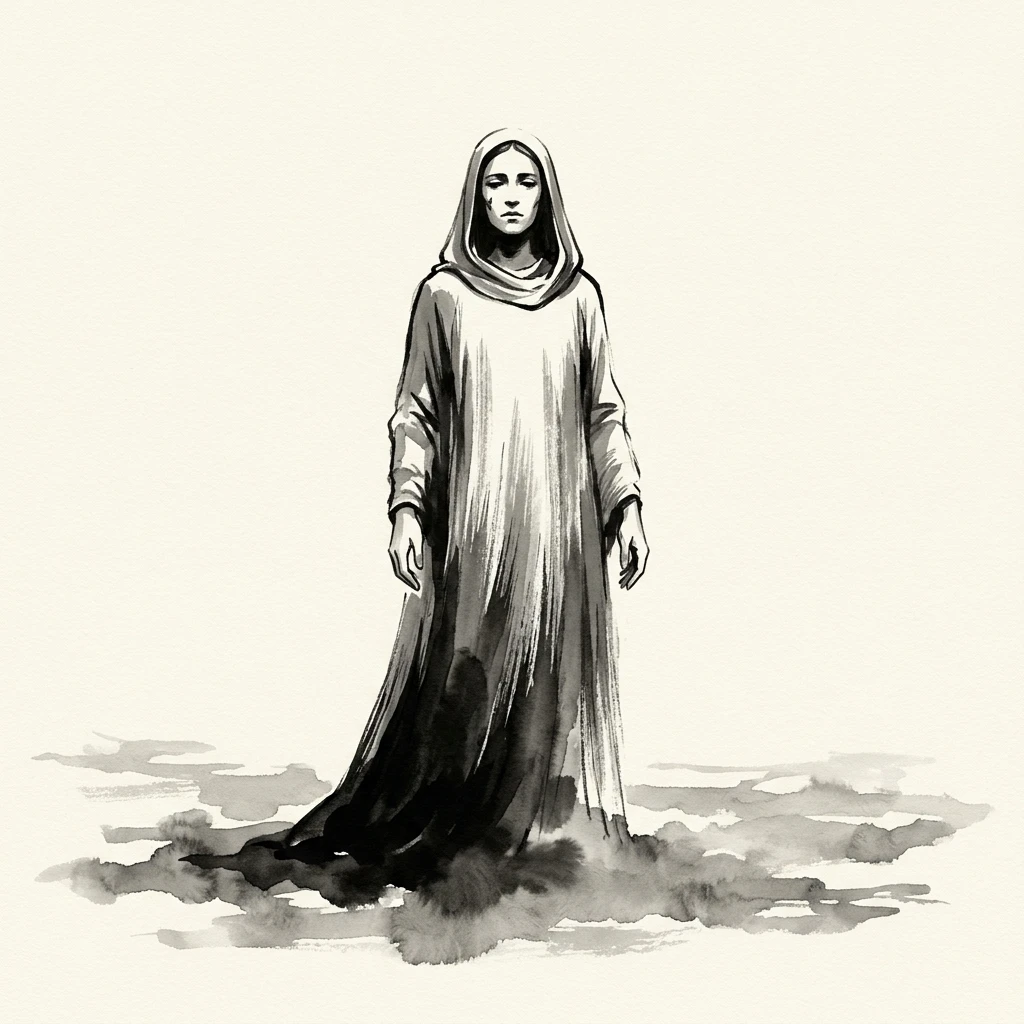
Remiel is named among the holy angels in 1 Enoch 20. In R. H. Charles’s translation, God appoints him over “those who rise,” a description associated with resurrection. Similar names elsewhere in apocalyptic literature need to be compared carefully rather than merged into one biography.
Remiel in 1 Enoch 20
1 Enoch 20:1–8 gives a list of holy angels and briefly describes their responsibilities. Remiel is the last named figure in Charles’s version, following Gabriel.
His notice is short. It supports a connection with those who rise, but does not provide a physical description, a detailed itinerary for departed souls, or a complete account of his actions. More elaborate portraits should be checked against the additional texts said to support them.
Remiel, Ramiel, and the Watcher list
1 Enoch 6:7 contains similar-looking names in its list of rebellious leaders. Charles prints forms including Râmêêl and Râmîêl, whereas chapter 20 prints Remiel.
The contrast between a holy angel in one passage and rebellious leaders in another should remain visible. Spelling resemblance by itself does not resolve whether an ancient writer intended the same figure, and transliterations can conceal differences in the underlying names.
Jeremiel in 2 Esdras
In 2 Esdras 4:35–37, the archangel is named Jeremiel in the NRSVUE. He answers the righteous who ask when their reward will arrive, explaining that the appointed number and measure must be fulfilled.
This is a useful parallel about righteous souls and the appointed end. It is presented here under the name printed in that translation, rather than as proof that every Remiel, Ramiel, and Jeremiel in every source is one interchangeable character.
Explore related entries
Continue with Uriel, Phanuel, Semyaza, the A–Z angel name index, or our guide to sources and traditions.